Cloud
Cloud Infrastructure vs On-Premises Infrastructure: Key Differences

Updated by Yousuf Naveed Khan
Updated at
6 min read

One of the biggest decisions in IT is where your systems should live. This guide compares cloud vs on-premises infrastructure so you can choose with confidence.
What Is On-Premises Infrastructure?
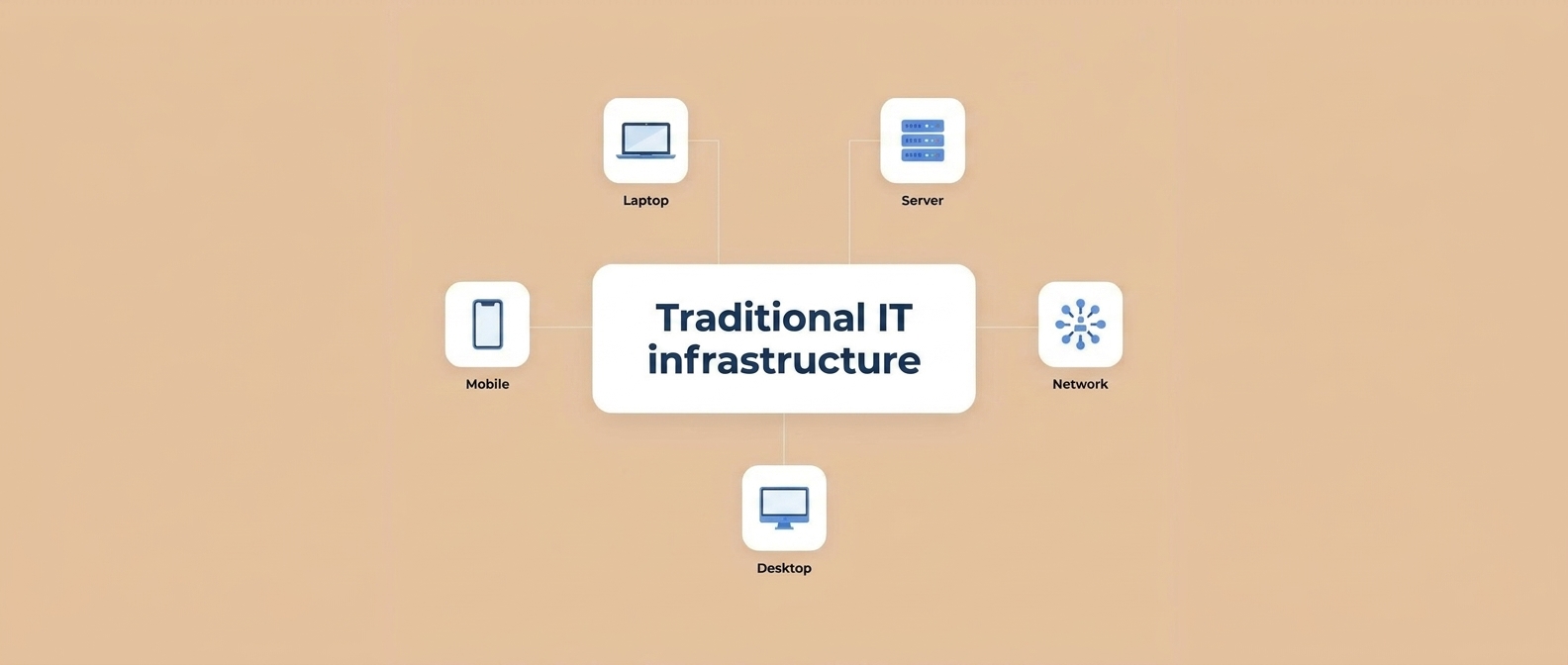
On-premises infrastructure means servers, storage, and networking equipment are owned and operated inside your own office or data center. Your team is responsible for buying, maintaining, and securing everything.
What Is Cloud Infrastructure?
Cloud infrastructure delivers computing power, storage, and networking over the internet from a provider. You use what you need and the provider manages the physical hardware.
Key Differences
| Factor | On-Premises | Cloud |
|---|---|---|
| Cost model | Large upfront purchase | Pay for what you use |
| Control | Full control over hardware | Shared with provider |
| Scalability | Needs new hardware | Scale up or down quickly |
| Maintenance | Your team | Mostly the provider |
| Access | Usually local network | From anywhere with internet |
Advantages of On-Premises
- Direct control over data and hardware
- Easier to meet certain strict compliance requirements
- Predictable performance on a local network
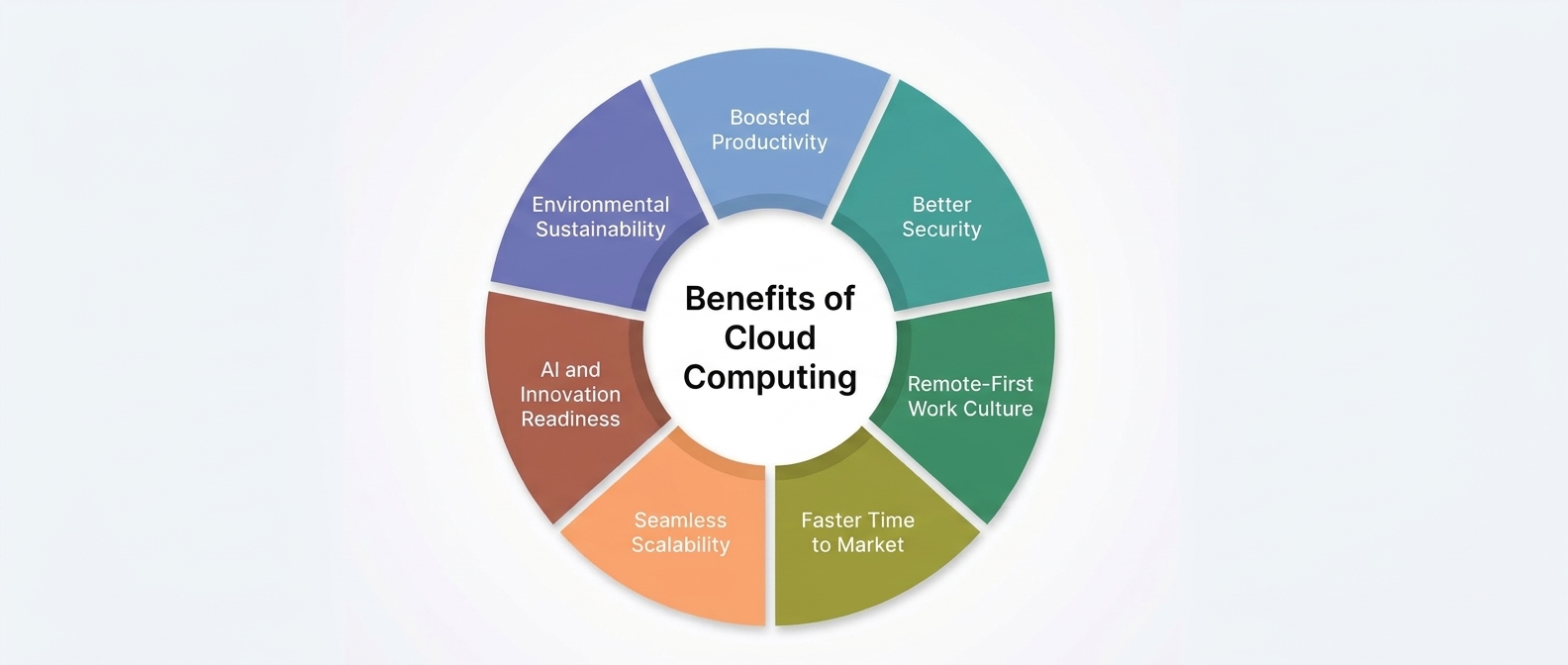
Advantages of Cloud
- Flexible scaling as your needs change
- Lower upfront cost
- Easier remote access for distributed teams
- Less hardware to maintain
What About Hybrid Cloud?
A hybrid setup combines both. For example, sensitive data can stay on-premises while customer-facing applications run in the cloud. Many businesses choose this to balance control and flexibility.
How to Choose
Ask yourself:
- What are our security and compliance requirements?
- How quickly do we expect to grow?
- Do we have a team to manage hardware?
- What is our budget model, upfront or monthly?
- Do we have remote or multi-location staff?
How Can GFT Solutions Help?
GFT Solutions is a remote-first software house. Our System Architecture service helps businesses design the backend foundation their products run on, including choosing the right cloud infrastructure, structuring databases and APIs, and setting up CI/CD so new code ships safely and automatically.
Explore our System Architecture serviceFrequently Asked Questions
Is cloud cheaper than on-premises?
Not always. Cloud lowers upfront cost, but long-term cost depends on usage. Compare total cost over several years.
Is cloud less secure than on-premises?
Not automatically. Security depends on configuration, access control, and management in both models.
Can I move from on-premises to cloud later?
Yes. Many businesses migrate gradually with a planned strategy.
Conclusion
There is no single best choice. On-premises offers control, cloud offers flexibility, and hybrid combines both. Match the model to your business needs.